Table of Contents
- How to Recover After Intense Training Using Cold Plunge
- Physiological Effects of Cold Water Immersion
- Cold Water Immersion Duration for Athletes
- Contrast Therapy Benefits: Combining Heat and Cold
- Mental Health and Stress Relief Benefits
- Safety Precautions and Contraindications
- Hypertrophy Interference and Equipment Hygiene
- Conclusion
- Frequently Asked Questions
Last Updated: September 21, 2026
How to Recover After Intense Training Using Cold Plunge
Cold plunge is one of the fastest ways for athletes to bounce back after hard training. This guide from Steam City Sauna breaks down how to use it safely, when to get in, and how long to stay.
Here is the short version. Get in cold water for 2 to 10 minutes. Keep the water between 50°F and 59°F. Do it within a few hours of your workout.
That is the basics. But most guides stop there, and that is where athletes get hurt or waste their time.
Below, we will show you exactly how to build a cold plunge routine that fits your training, plus the mistakes that slow recovery instead of speeding it up.
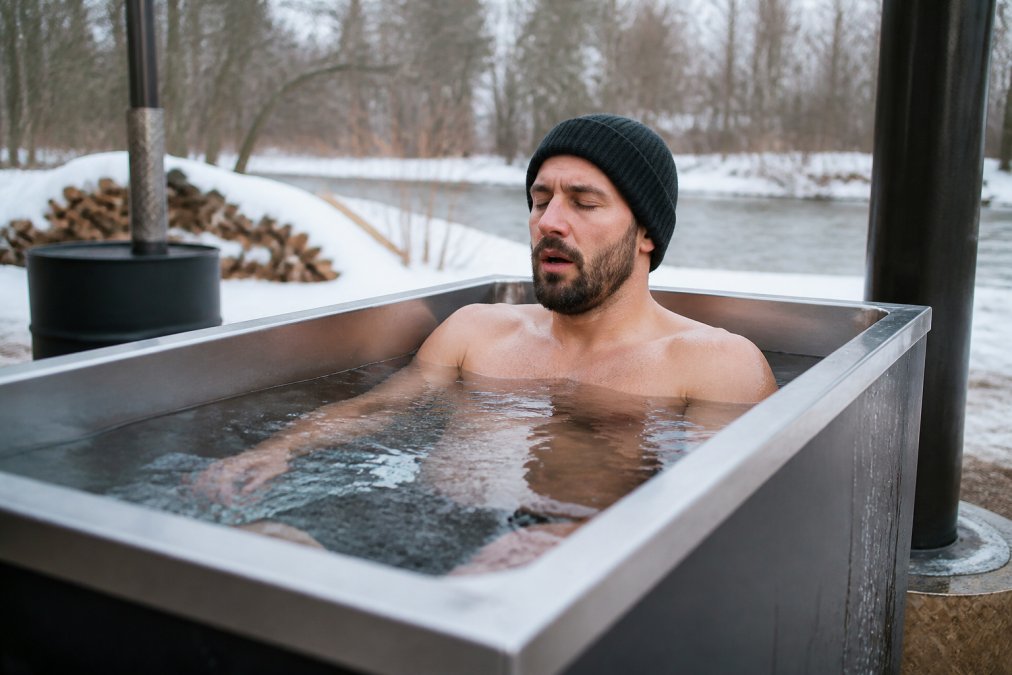
A few things to keep in mind before you start:
- Never plunge alone. Cold water shock can hit fast.
- Start with 1 to 2 minutes, not 10.
- Skip it right after a strength session if muscle growth is your goal.
- Dry off and warm up within 10 minutes.
Physiological Effects of Cold Water Immersion
Cold water immersion triggers a chain reaction in your body. Blood vessels tighten, inflammation drops, and your nervous system shifts into recovery mode.
Vasoconstriction and Circulatory Response
Vasoconstriction is the narrowing of blood vessels. Cold water causes it almost instantly.
Here is what happens:
- Cold hits your skin and blood vessels tighten.
- Blood flow shifts away from your limbs toward your core.
- When you get out, vessels reopen and fresh blood floods back in.
Reducing Inflammation and Swelling
Cold water slows down systemic inflammation after hard training. It also limits swelling around joints and soft tissue.
Cold plunge works best as a recovery tool, not a performance booster. Use it after training, not before.
Cold Water Immersion Duration for Athletes
The right cold water immersion duration for athletes is not a single number. It depends on your body size, cold tolerance, training load, and what you are trying to accomplish. Most guides hand you a 2-to-10-minute range and stop. That range is a starting bracket, not a protocol.
The Baseline Range
Water between 50°F and 59°F is the working zone for recovery. Below 50°F, the risk curve climbs fast. Above 59°F, you get most of the psychological benefit but much less of the vascular response.
- Beginner: 1 to 2 minutes
- Intermediate: 3 to 5 minutes
- Advanced: 6 to 10 minutes
Adjusting for Training Intensity
A generic 5-minute plunge ignores what you did that day. A better approach scales duration to the session you are recovering from.
- Easy or technique day: 1 to 3 minutes is plenty. You are maintaining the habit, not chasing a recovery effect.
- Moderate aerobic session (steady run, long ride, skill work): 3 to 5 minutes supports circulation without over-cooling.
- High-intensity intervals or competition: 5 to 8 minutes, often split into two rounds, gives the strongest anti-inflammatory response.
- Back-to-back game days or tournament weekends: 6 to 10 minutes in two or three rounds, spaced 30 to 60 minutes apart, helps manage cumulative soreness.
Adjusting for Body Size and Composition
A 240-pound lineman and a 130-pound distance runner do not cool at the same rate. Larger body mass and higher body fat slow core temperature drop, so heavier athletes can often tolerate longer sessions. Leaner athletes with less insulation should start shorter and build slowly.
Adjusting for Experience and Cold Tolerance
Acclimatization happens over weeks, not days. A common pattern is to add 30 seconds every third or fourth session, holding the temperature steady until the new duration feels controlled. If your breathing stays ragged for the whole plunge, you added time too fast.
Reading Your Body’s Stop Signals
Get out immediately if you notice:
- Uncontrollable shivering that does not stop within a minute of exiting
- Numbness in fingers or toes that lingers
- Dizziness, confusion, or slurred speech
- A sudden drop in breathing rate after the initial gasp
Those are not signs of toughness. They are signs you went past the useful window.
Jumping into ice-cold water without a controlled entry can trigger cold shock, which spikes heart rate and breathing. Enter slowly, keep your hands out of the water at first if needed, and breathe through the first 30 seconds before you start counting your session.
Log your sessions. Temperature, duration, and how you felt two hours later. After two or three weeks you will have a personal protocol that beats any generic chart online.
Contrast Therapy Benefits: Combining Heat and Cold
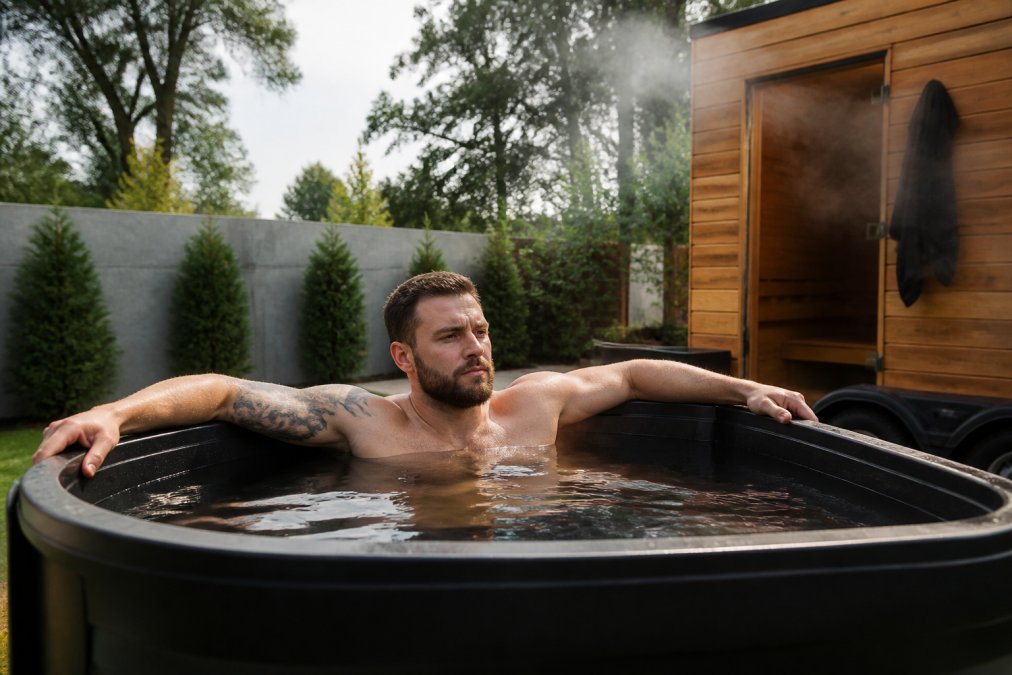
Contrast therapy alternates hot and cold exposure. The heat opens blood vessels. The cold closes them. That back-and-forth pumps blood through tired muscles.
A simple routine:
- Sit in a sauna for 10 to 15 minutes.
- Plunge in cold water for 1 to 3 minutes.
- Repeat 2 to 3 rounds.
- Finish with cold.
Mental Health and Stress Relief Benefits
Cold plunge does more than help your muscles. It changes how you feel, and the mechanism is well documented enough that athletes now use it deliberately for mood, focus, and sleep, not just as a side effect of recovery.
What Happens in the Brain
Cold exposure triggers a sustained rise in norepinephrine and dopamine. Norepinephrine is tied to alertness and mood regulation. Dopamine is tied to motivation and reward. What makes cold plunge unusual is the duration: the elevation can persist for hours after you get out, unlike the short spike from caffeine or a cold shower.
The Vagus Nerve and the Recovery Shift
When you exit and warm up, the parasympathetic nervous system takes over. This is the “rest and digest” branch, driven largely by the vagus nerve. Heart rate drops, breathing slows, digestion resumes. For athletes whose nervous systems are stuck in a low-grade stress state from training, travel, and competition, that shift is the point.
A common pattern athletes report:
- Sharper focus for one to three hours after a morning plunge
- Lower pre-competition anxiety when used earlier in the day
- Easier sleep onset on training days
- A stronger sense of mental resilience built through repeated voluntary discomfort
Using Cold Plunge for Competition Anxiety
Timing matters here. A plunge 60 to 90 minutes before competition can leave some athletes feeling flat because of the parasympathetic drop. A better window for most is the morning of a late-day event, or the evening before. Test it in training before you rely on it on game day.
Using Cold Plunge for Sleep
Late-evening plunges can be counterproductive for some athletes because the norepinephrine rise is alerting. If sleep is the goal, plunge in the late afternoon or early evening, then allow two to three hours before bed. Pair it with a warm shower or sauna afterward to bring core temperature back up and support the natural drop that precedes sleep.
The Mental Toughness Angle
Voluntary cold exposure is one of the few stressors an athlete can choose, control, and end at will. That controllability is what builds the psychological benefit. You are not surviving the cold. You are deciding to stay in it, one breath at a time, and then deciding to get out.
Cold plunge is a nervous-system tool as much as a muscle-recovery tool. Use it deliberately, timed for focus, sleep, or anxiety, rather than as an afterthought.
Safety Precautions and Contraindications
Cold plunge is not for everyone, and it is not risk-free. Follow these rules every time.
- Never plunge alone.
- Cap sessions at 10 minutes.
- Get out if you feel numb, dizzy, or confused.
- Warm up right after with dry clothes and a blanket.
- Skip alcohol and drugs before plunging.
Who Should Avoid Cold Plunge
Some people should talk to a doctor first, or skip it entirely:
- Anyone with a heart condition or high blood pressure
- People with Raynaud’s disease or poor circulation
- Pregnant women
- Anyone recovering from surgery
- People with open wounds or infections
Hypertrophy Interference and Equipment Hygiene
Two things most cold plunge guides skip: muscle growth and clean water.
- Filters or sanitizing systems
- Cleaned and dried tubs
If you are training for size, save the cold plunge for rest days. If you are training for endurance, use it right after sessions to speed recovery.
Conclusion
Recovery is the part of training most athletes skip. Cold plunge, done right, can change that.
Frequently Asked Questions
What happens after 30 days of cold plunge?
After 30 days of consistent cold plunge, athletes often report reduced muscle soreness, improved recovery between sessions, and better stress resilience. Physiological adaptations include enhanced cold tolerance and more efficient circulatory response. However, individual results vary based on training load, diet, and sleep. The key is gradual acclimatization and listening to your body. For athletes in Connecticut, services like Steam City Sauna offer cold plunge rentals with white-glove delivery, making it easy to maintain a consistent routine.
Is there a downside to cold plunge?
Cold plunge can interfere with muscle hypertrophy if done immediately after strength training, as it may blunt inflammatory signals needed for muscle growth. Other downsides include hypothermia risk if water is too cold or sessions too long, and cardiovascular strain for those with heart conditions. Always consult a doctor if you have pre-existing health issues. Proper equipment hygiene and maintenance are also important to prevent infections. For most athletes, benefits outweigh risks when protocols are followed.
How long should an athlete stay in a cold plunge for optimal recovery?
For optimal recovery, athletes should aim for a duration that aligns with their cold tolerance, training intensity, and recovery goals. Beginners should start with 2 to 3 minutes and gradually increase. A general guideline is to exit before shivering becomes uncontrollable. Contrast therapy, alternating with a sauna, can enhance circulation and relaxation. Always prioritize safety and never plunge alone.
Is cold water immersion more effective than active recovery?
Cold water immersion and active recovery each have unique benefits. Cold immersion excels at reducing inflammation and swelling, easing delayed onset muscle soreness (DOMS), and lowering core body temperature after intense training. Active recovery, like light jogging or cycling, promotes blood flow and mobility without the shock of cold. Many athletes combine both: cold plunge immediately after competition, then active recovery the next day. The best choice depends on your sport and recovery phase.