
Last Updated: November 12, 2026
Quick Summary
Wellness events are trending in 2026 because they turn self-care into a shared, scheduled commitment that is easier to keep than a solo routine. People have less unstructured time, more screen-based socializing, and want recovery that fits a group calendar. A set start and end time, plus other people expecting you, supplies the motivation that solo habits often lack.
- Adults can usually protect a 60 to 90 minute planned gathering more easily than an open-ended solo routine.
- Hosts often report that the social block before and after the core activity is a part attendees value most.
- Attendees increasingly judge an evening by how it felt and who they shared it with, not by what they bought.
- Evaluate providers on qualifications, medical and safety protocols, accessibility and the honesty of their health claims.
- Build in an arrival period, a structured core activity and an unhurried wind-down for a workable event schedule.
Table of Contents
- Why Wellness Events Are Trending in 2026
- The Shift From Solo Wellness to Shared Experiences
- What Wellness Event Formats Look Like Today
- Wellness Event Ideas That Fit Real Groups
- How to Evaluate Quality, Safety and Accessibility
- Wellness Event Planning Checklist and Schedule
- Community Wellness Activities to Build In
- Booking Your Own Sauna and Cold Plunge Experience
- Frequently Asked Questions
Wellness is moving out of the solo routine and into the room with other people. More people are looking for wellness that comes with a group, a shared plan and a reason to show up, and that shift explains much of the buzz around wellness events in 2026. This guide from Steam City Sauna looks at why these gatherings are catching on, what the formats look like, and how to plan one that works for a real group.
A wellness event, in plain terms, is a planned gathering built around restorative activities such as movement, heat, cold, breathwork or guided calm, held for a shared experience rather than private self-care. The emphasis on the group is what sets it apart from a gym session or a spa visit.
Why Wellness Events Are Trending in 2026
Wellness events are trending in 2026 because several pressures are converging at once: adults report less unstructured time, more screen-mediated socializing, and a growing preference for recovery that fits into a shared calendar rather than a private routine. The event format solves a specific problem, it converts self-care from a discipline test into a standing social commitment with a time, a place, and other people expecting you to show up.
Three mechanisms explain most of the growth:
1. The scheduling problem. Most adults can carve out 60 to 90 minutes for a planned gathering more easily than they can protect an open-ended solo routine. A wellness event has a start time and an end time, which makes it easier to defend against work and family demands. The format does the motivational work that a solo habit usually requires.
2. The isolation correction. Event hosts often report that the social block, the conversation before and after the core activity, is a part attendees value. Group fitness, run clubs, and partner workouts have demonstrated for years that people return for the people as much as the training. Wellness events apply that same structure to recovery, breathwork, and calm-focused activities.
3. The experience preference. Hosts and attendees increasingly judge an evening by how it felt and who they shared it with rather than by what they bought. A well-run event with a clear run of show is more memorable than a generic class, and that memorability drives repeat attendance and word-of-mouth referrals.
Watch out: it is easy to overstate the health benefits of group wellness events. The connection effect is real for many attendees, but it is a shared-experience effect, not a clinical guarantee, and event marketing should not imply otherwise.
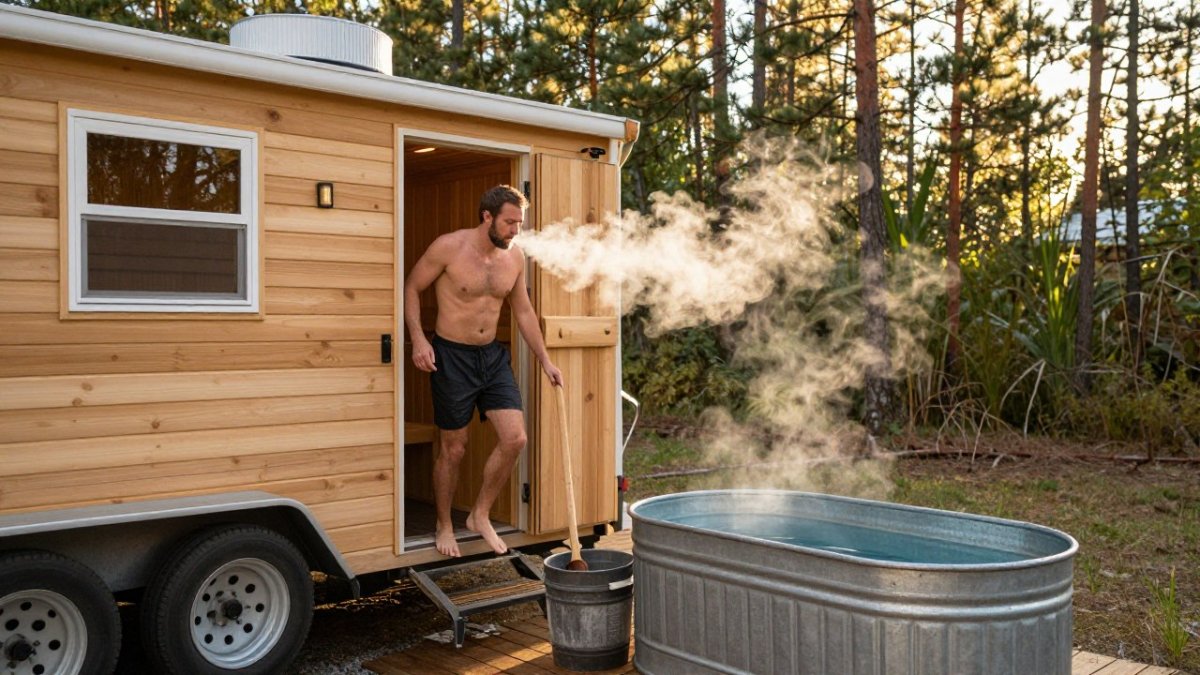
The trend is visible in the formats themselves. Backyard sauna socials, recovery evenings for athletic teams, bachelorette heat-and-cold rotations, and screen-free family resets all follow the same logic: a structured group activity with a social block built in.
The Shift From Solo Wellness to Shared Experiences
Solo wellness works for many people, but it asks a lot of discipline. Shared experiences lower that bar. When a group agrees to meet, the event carries the momentum, and attendees are more likely to stay consistent.
Human connection as the new recovery tool
Many people now treat time with friends as part of how they unwind. Be careful with the claim, though: the benefit is real for many attendees, but it is a shared-experience effect rather than a clinical guarantee.
Group fitness, run clubs and partner workouts
Group fitness, run clubs and partner workouts show the same logic at work. People return to a run club or a partner class partly for the training and partly for the people, and wellness events borrow that structure. A recovery session with a group feels like the natural next step for someone already used to showing up for others.
What Wellness Event Formats Look Like Today
Most wellness events fall into a few practical formats. A hot-and-cold session pairs a heat experience with a cold plunge, with breaks between rounds for conversation. A movement event combines a short guided workout or stretch with a social block afterward. Calm-focused gatherings center on breathwork, sound or meditation in a low-light setting. Hybrid evenings blend two or three of these into a single timed program.
Attendee experience depends on pacing. Groups often benefit from an arrival period, a structured core activity, and an unhurried wind-down.
Wellness Event Ideas That Fit Real Groups
The right idea depends on who is coming. A few formats suit most groups well:
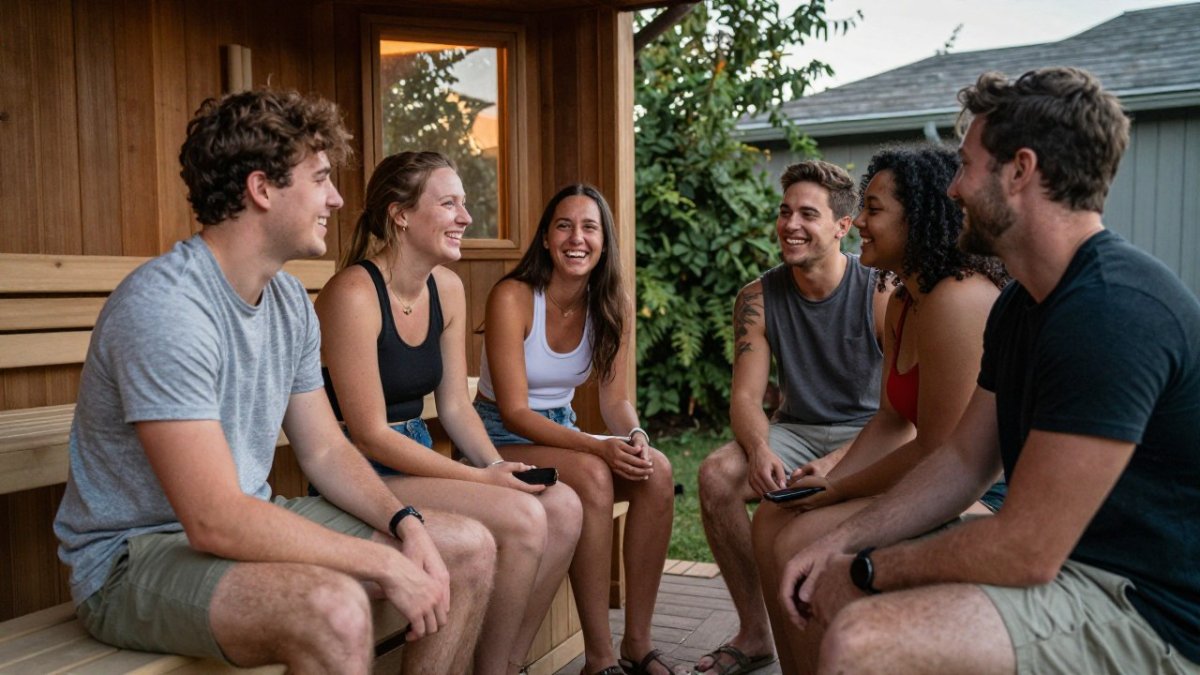
- Backyard sauna social: A small group rotates through a wood-fired sauna and cold plunge with time to talk between rounds.
- Recovery evening for athletes: A team or training group uses a post-session heat and cold block to wind down together.
- Bachelorette or celebration session: A planned rotation of heat, cold and conversation gives the honoree and guests a shared memory.
- Family or friends reset: An afternoon format with lighter activities and no screens keeps the focus on conversation.
Keep the group size manageable for the space and the activity you have planned.
How to Evaluate Quality, Safety and Accessibility
Before committing to any wellness event, evaluate it on four dimensions: provider qualifications, medical and safety protocols, accessibility and inclusion, and the honesty of the health claims being made.
Provider qualifications. Ask who will be on site and what training they have. For heat and cold sessions, confirm that someone is responsible for temperature control, supervision, and breakdown, and ask whether the provider has written protocols for guests who feel unwell. For breathwork, sound, and meditation sessions, ask about the facilitator’s training and experience with group settings. A provider who cannot describe their protocols in plain language is a warning sign.
Medical and safety considerations. Ask whether guests with cardiovascular conditions, pregnancy, or medication use should consult a doctor first. Confirm that the provider includes guidance on hydration, session length, and how to exit a heat or cold experience safely. For cold plunge in particular, confirm how the water is maintained and monitored and how guests are supervised.
Accessibility and inclusion. Check whether the venue is reachable for guests with mobility limits, whether seated or lower-intensity options exist, and whether the cost is realistic for the whole group. Ask about noise levels, lighting, and whether the event is designed for people who do not identify with conventional fitness or wellness spaces. A good event is one that most of the people you invite can actually attend and enjoy. Because accessibility depends on more than the activity itself, choosing a venue with flexible spaces and practical accommodations can help make everyone feel welcome, as considerations reflected in Duval Grand Event Venue.
Honesty of health claims. Be skeptical of events that promise to cure, treat, or prevent medical conditions. Legitimate providers describe benefits in modest, experience-based terms, relaxation, recovery, connection, rather than clinical outcomes. If the marketing leans on unsupported claims, the event is likely to disappoint.
Ask how often equipment is cleaned between groups and who is responsible for setup and breakdown before you book.
Wellness Event Planning Checklist and Schedule
A workable plan covers the basics in order:
- Confirm the date, headcount and budget
- Choose a format that matches the group’s interests and fitness levels
- Book the provider and confirm delivery, setup and supervision details
- Share guidance on health precautions, hydration and what to wear
- Plan the run of show: arrival, core activity, rounds, wind-down
- Arrange seating, water and a clear, screen-free area
- Plan breakdown and cleanup before guests leave
A sample schedule for a two-hour gathering might allow time for arrival, core rounds with breaks, conversation and a wind-down. Build in slack, because heat and cold sessions often run longer than expected.
The planning steps below can be scanned at a glance, with a rough time or frequency for each.
| Step | What to do | Time or frequency |
|---|---|---|
| Confirm details | Set the date, headcount and budget | Before anything else |
| Choose a format | Match the group’s interests and fitness levels | Early in planning |
| Book the provider | Confirm delivery, setup and supervision | Ahead of the event |
| Share guidance | Health precautions, hydration and what to wear | Before guests arrive |
| Plan the run of show | Arrival, core activity, rounds, wind-down | Sample of about two hours |
| Arrange the space | Seating, water and a screen-free area | Before guests arrive |
| Plan breakdown | Setup and cleanup before guests leave | Before guests leave |
Community Wellness Activities to Build In
Activities that add connection around the core experience tend to make an event feel worthwhile. Consider a shared breathing exercise before the first round, a short guided stretch between sessions, or a simple circle where each guest names one thing they want to take away. These additions take little planning and give quieter attendees an easy way to join in.
Booking Your Own Sauna and Cold Plunge Experience
If you want to host a gathering of your own, Steam City Sauna provides a wood-fired sauna rental experience with white-glove delivery and setup, and the rental includes firewood, starter material and water buckets. Pricing depends on the date, the number of guests and the delivery location, so the best next step is to request a quote from Steam City Sauna directly.
Frequently Asked Questions
What are the biggest wellness trends for 2026?
Wellness in 2026 is moving toward shared experiences. Group fitness, run clubs, social recovery, stress management, mindfulness and personalized health routines are recurring themes across current trend coverage. Many of these trends centre on human connection rather than solo routines. If you are planning a gathering, pairing one of these trends with a simple, screen-free activity such as a group sauna session tends to make the experience easier to remember. Pricing and availability for any specific service depend on quantity, dates and delivery, so check Steam City Sauna’s website for current options.
How long should a wellness event last?
Most wellness gatherings work best in a window of two to four hours, which leaves room for a warm-up, the main activity and time to socialize. Shorter sessions suit a single activity like a sauna and cold plunge rotation, while longer events work well when you add a meal or a group workout. Build in rest breaks between heat and cold rounds, and keep the schedule loose enough that guests can step out when they need to. A written run-of-show helps hosts keep the pace without rushing anyone.
What activities should a wellness event include?
A balanced wellness event usually mixes movement, recovery and connection. Good options include a guided stretch or walk, a sauna and cold-plunge rotation, a breathwork or meditation session, and a shared meal. Group challenges or partner workouts add light competition without pressure. Choose activities that match the energy of your guests, and offer opt-out options so that people with injuries, health conditions or different comfort levels can take part safely.
How do you organize a wellness-focused community gathering?
Start by defining the goal, whether that is recovery, stress relief or simply bringing neighbors together. Then pick a date, a location with enough space, and a simple schedule. Confirm equipment, supplies and delivery access well ahead of time. Invite guests with a clear description of what to expect and any safety notes. Finally, leave time at the end for conversation, since community is often the part attendees remember most.
